Two things changed in early 2026 that, taken together, push LPS 1175 further to the centre of specifier work on critical national infrastructure.
First, from 1 January 2026 the National Protective Security Authority removed fencing and gates from its Catalogue of Security Equipment and stopped testing products against the Manual Forced Entry Standard. Second, anyone writing a new spec for a high-assurance site now has to choose a different reference framework – and for intruder-resistant building components, that framework is LPS 1175.
We get asked a lot about the Issue 8 rating system. Most of the confusion is about how it relates to the older SR1-SR8 numbers people remember from Issue 7. This piece pulls the relevant bits together for anyone writing a spec in 2026.
What LPS 1175 actually is
LPS 1175 is the Loss Prevention Standard published by LPCB, the certification arm of BRE. The standard tests intruder-resistant building components – doors, shutters, windows, walling, enclosures, and free-standing barriers – against forced entry using categorised toolkits and timed attacks. Products that pass get listed on RedBook Live, which is where any specifier should be checking certification claims.
The testing is hard. BRE’s own technical lead has said the failure rate sits around 95% for products submitted at the higher ratings. That’s the point – LPS 1175 is a third-party performance assurance, not a self-declared spec.
Key shift
Issue 8 split the old SR1-SR8 number into two parts: tool category (A-H) and delay in minutes (1, 3, 5, 10, 15, or 20). 48 combinations instead of 8.
What changed between Issue 7 and Issue 8
Issue 8 was published by LPCB in January 2019. The biggest change was the rating system itself.
Issue 7 used a single number, SR1 through SR8, where the number bundled together the tools used and the time the product had to resist. If a project needed a 10-minute delay you ended up specifying SR4, whether the actual threat involved D-category tools or not.
Issue 8 split that bundle into two parts:
- Tool category (A to H) – which kit the product was tested against
- Delay (1, 3, 5, 10, 15, or 20 minutes) – how long it held
A product is rated, say, D5 – meaning it resisted tools up to category D for 5 minutes. The matrix gives you 48 combinations instead of 8, and you can specify the exact threat and the exact delay you actually need.
Rough equivalences to the old SR scale
For specifiers used to the SR scale, here are the rough equivalences the industry uses:
- SR1 ≈ A1
- SR2 ≈ B3
- SR3 ≈ C5
- SR4 ≈ D10
These are approximations – always verify against the product’s actual certificate on RedBook Live before writing it into a spec.
What this means in practice
Three things to flag on any new brief.
Layered security got easier to specify
Under Issue 7, every layer of a layered security strategy had to hit a minimum 10 minutes on its own to count. Under Issue 8 you can stack lower-rated products and the delay adds up. Two D5 layers give you the same effective 10-minute delay as one D10 door, and the lower individual ratings are more economically achievable. For perimeter-to-asset designs this is a meaningful shift.
Don’t over-engineer
If the threat assessment for a remote utilities cabinet is opportunist with hand tools, you don’t need a D-rated door. B5 or B10 may be the honest spec. Issue 8 makes it harder to hide behind a single high-SR number that ticks the box without matching the risk.
Multiple attackers are now in scope
Issue 8 brought multiple attackers into testing at category F and above, which reflects organised retail theft and gang-attack scenarios that Issue 7 didn’t capture. For retail, public realm, or any site where mob attack is a credible risk, this matters in the spec.
Are older Issue 7 (SR-rated) certifications still valid?
Yes. LPCB conducts ongoing audits of certified manufacturers, and a product certified to Issue 7 remains valid as long as the manufacturer keeps passing its factory audits and the product hasn’t changed. There’s no requirement to retest products that already hold valid SR certification.
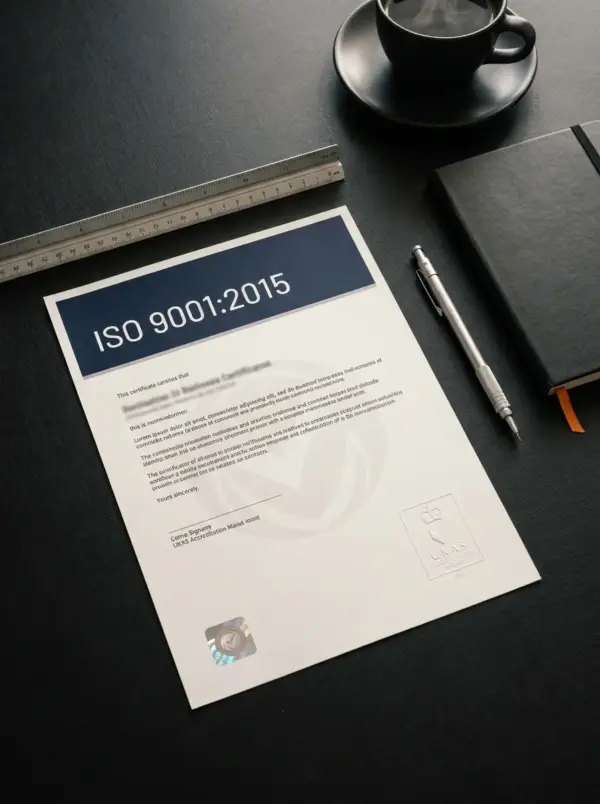
What does matter, under UK trade descriptions law, is that the version is declared. A door advertised as “LPS 1175 certified” without naming the Issue and rating is not enough information for procurement. The certificate on RedBook Live tells you which Issue the testing was done against. Check it.
How Fort Engineering certifies
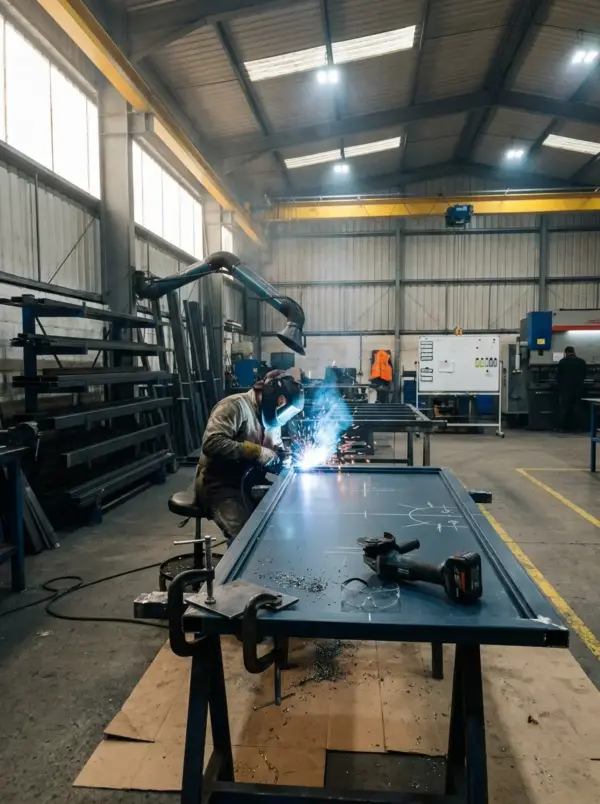
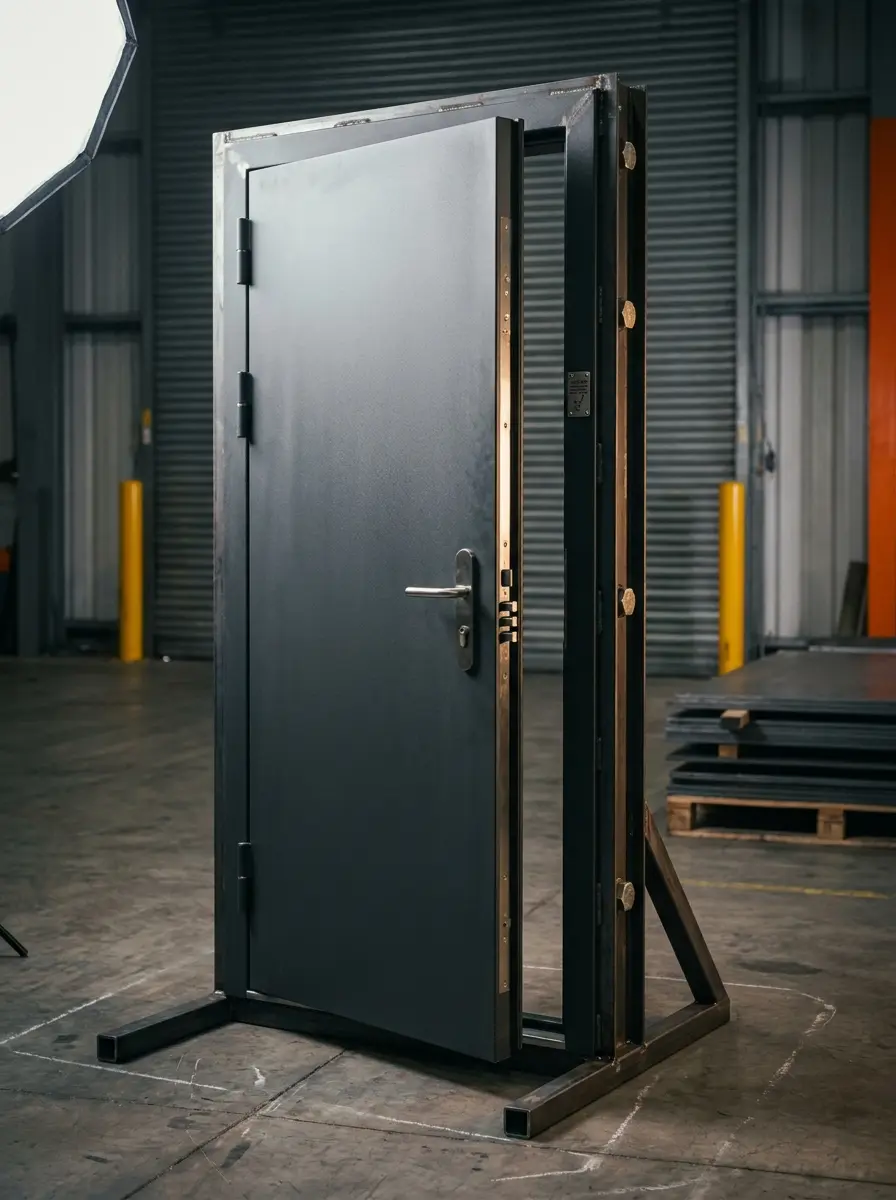
The factory tests and certifies steel doors, steel windows, shopfronts, and safe rooms to LPS 1175 across the relevant SR and Issue 8 ratings. Specific ratings and the matching RedBook Live entries are on the LPS 1175 certification page.
For CNI projects sitting in the post-NPSA gap, the route is the same as it’s always been: threat assessment first, certification check second, manufacturer selection third. The standard hasn’t moved. The framework around it has.